Why the R141,000 Off-Grid Investment Did Not Hurt Me
The total cost of our off-grid system sits at around R141,000. For many people that number alone is enough to close the tab. It sounds like a massive financial blow.
Here is the reality that changes the picture completely. We did not spend R141,000 in one go. The entire system was built in phases over nearly four years, from mid-2023 to mid-2026. This stretched the impact and made each step feel like a normal home improvement rather than a painful lump sum.
This article explains exactly how the spending unfolded and why the final figure never felt overwhelming.
The Spending Happened in Stages
The biggest single year was 2023, when we installed the original hybrid system. Even then the costs were spread across several months.
| Year |
Major Purchases and Works |
Amount |
Running Total |
| 2023 |
Deye 5kW inverter, Volta 5kWh battery, 6x JA Solar 550W panels, wiring, installation, initial pergola |
R72,000 |
R72,000 |
| 2024 |
No major spend |
R0 |
R72,000 |
| 2025 |
Additional 4x JA Solar 600W panels |
R5,000 |
R77,000 |
| 2026 |
Dyness PowerBrick Plus replacement, pergola extension and elevated roof, additional wiring and labour |
R61,320 |
R138,320 |
Grand total to date: approximately R141,000
Each phase delivered immediate value. The 2023 setup gave us real protection during load shedding and started cutting our Eskom bills right away. The small 2025 panel addition improved daytime production. The 2026 upgrades finally enabled full off-grid operation after the disconnection.
Smart Shopping and Falling Prices Made It Even More Affordable
One important detail many people overlook is that solar component prices have dropped significantly since 2023. The exact same system we bought back then would cost a lot less if purchased today.
When I first started building the system I made it a habit to contact multiple suppliers and play them off against each other to get the best possible price on every item. I did the same with the Dyness PowerBrick Plus in 2026 and saved over R2,000 on the battery alone. This approach helped keep the overall cost down even though we were buying during a period when prices were higher than they are now.
Cash Flow Stayed Manageable
Because the spending was gradual it never felt like a single large debt or emergency expense. It felt more like other normal household projects.
We paid in cash as we went without taking big loans. Some months involved nothing at all. Other months felt similar to paying for a new appliance, a minor renovation, or routine maintenance.
Living in South Africa, many families already manage irregular but significant expenses such as car repairs, school fees, or home upgrades. The solar build fitted into that pattern rather than breaking it.
Each Step Improved Daily Life Immediately
This is what made the spending easier to accept. Every addition gave noticeable benefits straight away:
- The original 2023 system reduced our reliance on the grid and protected us during blackouts.
- The extra panels in 2025 sped up battery recovery during the day.
- The 2026 pergola extension and Dyness battery finally removed our dependence on Eskom completely.
We were not throwing money at a distant future payoff. We were solving real problems we faced at the time.
Some Costs Were Specific to Our Situation
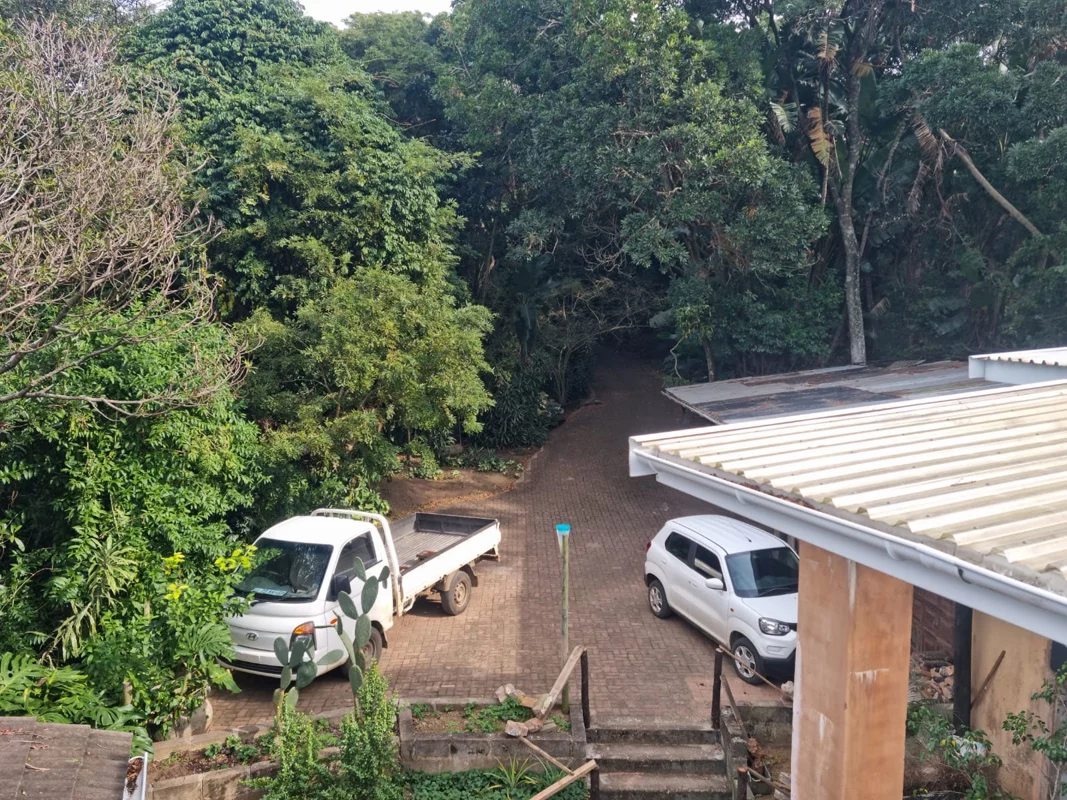
Not every homeowner will face the same expenses. Our forested property in KwaZulu-Natal required significant structural work to overcome shading. The battery replacement happened because Volta changed their BMS protocol, a risk that forced a full swap instead of a simple addition.
These were real but context-specific costs. The staggered timeline still made them digestible.
Future Costs Remain Small and Optional
The system is already working well off-grid, but we have a few more upgrades planned. These are modest and can be spread even further.
- Proper solar rails: R5,000
- 3kW Growatt hybrid inverter for generator input: R6,000
- Additional cabling and combiner: R2,600
- Labour: R1,025
- 4x new JA Solar 660W panels: R5,000
Planned future total: around R19,625
These are refinements rather than necessities.
The Psychological Difference
The biggest relief came from never seeing the full R141,000 as one decision. It was a series of smaller, logical choices made over time as our needs evolved and as technology and our circumstances changed.
This approach turned what looks like a scary headline number into something practical and achievable.
Final Thoughts
If full off-grid or strong energy independence is your goal, consider building in phases where possible. The total cost may end up similar or even slightly higher than buying everything at once, but the financial and mental impact is far easier to handle.
The key is starting with a solid foundation (good inverter, compatible components) and expanding thoughtfully. Our journey proves that R141,000 spread over four years delivered genuine energy freedom without creating financial stress.
All costs in this article reflect actual expenditure on our residential installation in KwaZulu-Natal. Individual results will vary based on site conditions, component choices, and installation requirements. This is not financial advice. Always consult a registered electrician and comply with SANS 10142.
More in This Series
View all articles in this series →